Learning Outcomes
i. Define enzyme inhibition and its role in regulating enzyme activity.
ii. Differentiate between competitive and non-competitive enzyme inhibitors.
iii. Explain the mechanisms of action of competitive and non-competitive inhibitors.
iv. Understand the implications of enzyme inhibition in biological systems and drug development.
i. Enzymes: The Masters of Life's Chemical Orchestra
Enzymes, the molecular maestros of life, orchestrate the intricate symphony of biochemical reactions that underpin our existence. Their remarkable catalytic prowess enables chemical transformations to occur at astonishing rates under mild cellular conditions. However, the activity of these molecular workhorses is not without control. Nature has devised a sophisticated mechanism, known as enzyme inhibition, to regulate enzyme activity and ensure the smooth functioning of cellular processes.
ii. Competitive Inhibition: A Race for the Active Site
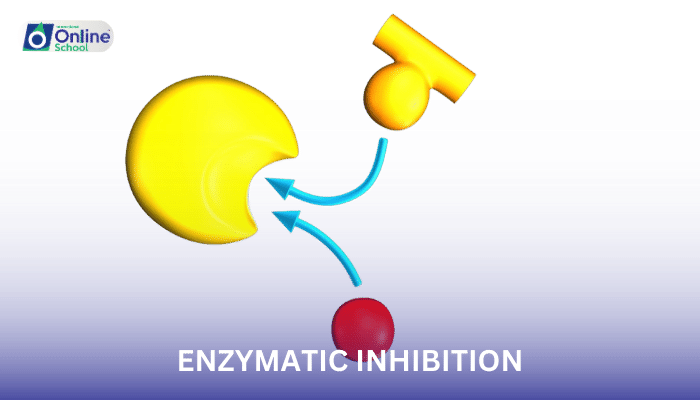
Competitive inhibitors, as their name suggests, compete with the substrate for binding to the enzyme's active site. These inhibitors closely resemble the substrate in structure and can effectively block the substrate's access to the active site, preventing the enzyme from catalyzing the reaction.
iii. Non-competitive Inhibition: A Structural Disruption
Non-competitive inhibitors, in contrast to their competitive counterparts, do not bind to the active site. Instead, they bind to other regions of the enzyme, often referred to as allosteric sites. This binding induces a conformational change in the enzyme, altering its shape and preventing the active site from adopting the appropriate conformation for catalysis.
iv. The Implications of Enzyme Inhibition: A Delicate Balance
Enzyme inhibition plays a crucial role in regulating cellular processes and maintaining homeostasis. Many physiological processes, such as blood sugar regulation and neurotransmission, rely on the fine-tuning of enzyme activity through inhibition.
v. Therapeutic Applications of Enzyme Inhibition
The ability of inhibitors to modulate enzyme activity has not gone unnoticed in the realm of medicine. Many drugs, such as penicillin, aspirin, and statins, act by inhibiting specific enzymes, disrupting disease-causing processes and restoring normal cellular function.
Enzyme inhibition, far from being a hindrance to enzyme function, is a fundamental mechanism that allows cells to regulate enzyme activity and maintain the delicate balance of biochemical processes that sustain life. Understanding the mechanisms of enzyme inhibition not only provides insights into the intricate workings of cells but also holds immense potential for the development of new therapies and diagnostic tools.
